



revestimiento con láser de alta velocidad
High-Speed Laser Coating Revolutionizing Surface Engineering In recent years, high-speed laser coating technology has garnered significant attention in various industrial sectors for its transformative potential in surface engineering. This innovative approach utilizes high-power lasers to deposit materials onto a substrate at an accelerated pace, resulting in improved performance and durability of components. As industries continually seek methods to enhance product quality while minimizing costs, high-speed laser coating stands out as a promising solution. Understanding High-Speed Laser Coating High-speed laser coating involves utilizing laser beams to melt and fuse materials onto the surface of a substrate, which can be metal, plastic, or ceramics. The process begins by selecting a suitable coating material, which can range from polymers to metal powders, depending on the intended application. Once the right material is chosen, it is introduced into the path of the laser beam. The laser then melts the material, allowing it to bond with the substrate as it cools and solidifies. One of the key advantages of high-speed laser coating is its rapid processing time. Traditional coating methods, such as electroplating or thermal spraying, can be time-consuming and labor-intensive. In contrast, high-speed laser techniques can significantly reduce the application time while maintaining or improving the quality of the coating. This efficiency not only cuts labor costs but also enhances productivity, making it an attractive option for manufacturers. . The versatility of high-speed laser coating technology allows it to be applied in various industries, including aerospace, automotive, medical devices, and consumer electronics. In the aerospace sector, for example, this technology is employed to create wear-resistant coatings on turbine blades. The harsh operating conditions in aviation demand components that can withstand extreme temperatures and pressures. High-speed laser coating provides a solution by enhancing the performance and lifespan of these critical parts. روکش لیزری با سرعت بالا In the automotive industry, high-speed laser coating is used to improve fuel efficiency and reduce emissions. Components such as engine parts and exhaust systems can be coated to resist corrosion and wear, ensuring that vehicles operate efficiently over their lifetimes. Additionally, high-speed laser coating allows for the application of lightweight materials, contributing to the manufacturing of vehicles that are both strong and energy-efficient. The medical device industry also benefits from high-speed laser coating technology. Implants and instruments require coatings that promote biocompatibility and reduce friction. By applying coatings at a high speed, manufacturers can ensure that these devices meet stringent health safety regulations while also providing enhanced performance. Challenges and Future Directions Despite its many advantages, high-speed laser coating technology faces several challenges. The complexity of the process necessitates precise control over the laser parameters, including power, speed, and material feed rate. Achieving the desired properties of the coating requires extensive research and development to optimize these variables. Additionally, the initial investment in laser equipment can be significant, which may deter smaller manufacturers from adopting this technology. Looking ahead, there is a growing interest in integrating artificial intelligence and machine learning into high-speed laser coating processes. These advancements could lead to improvements in process control, enabling real-time adjustments based on feedback data. By leveraging AI, manufacturers can enhance the quality and consistency of coatings while further reducing production times. Conclusion High-speed laser coating represents a significant advancement in surface engineering, offering numerous benefits to industries around the globe. Its ability to enhance material performance while decreasing processing times positions it as a key technology in meeting the demands of modern manufacturing. As research continues and technology evolves, high-speed laser coating is likely to become an integral part of production processes, setting new standards for efficiency and quality in surface treatment applications. The future of industries leveraging this innovative technology looks promising, paving the way for enhanced products that meet the ever-evolving market needs.

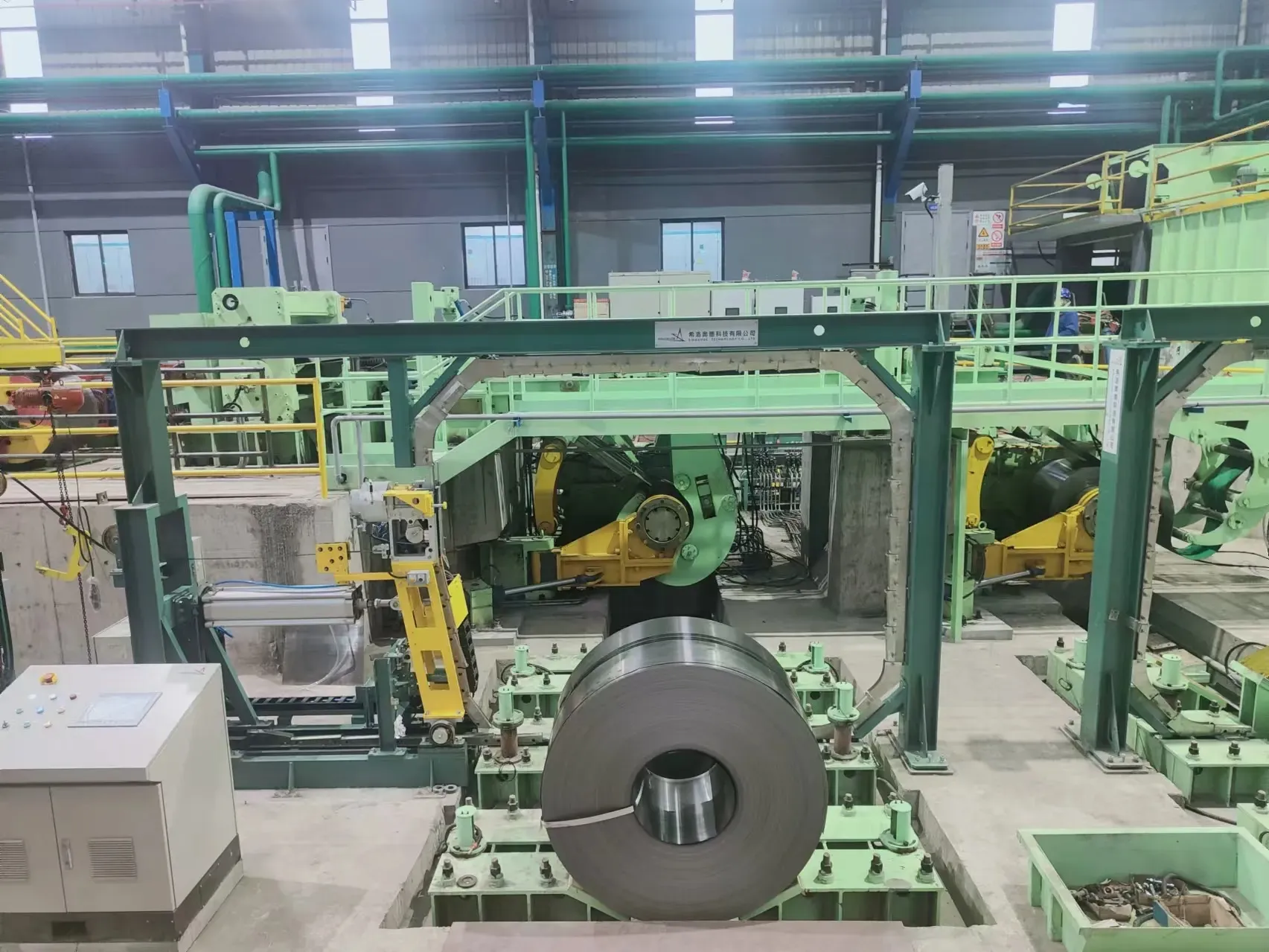
We have successfully executed over 500
projects around the world,
many first-of-their-kind
research projects and products in China, including
We have successfully executed over 500
projects around the world,
many first-of-their-kind
research projects and products in China, including
-
2004
The 1st hydraulic AGC system for hot rolling of ribbon steel
-
2006
The 1st AFC system used for 1450mm skin pass mill
-
2009
The 1st 5-stand tandem line with 2-stand POR & Uncoiler for 650mm ribbon steel
-
2012
The 1st reversing mill for 1380mm strip
-
2016
The 1st soft-rolling system used in skin pass mill
-
2019
The 1st fully automated medium-width tandem cold rolling mill
-
2021
The 1st 5000KN Twin-stand double skin pass mill
-
2022
The 1st coupled pickling line & tandem cold mill with two modes - big roller & small roller
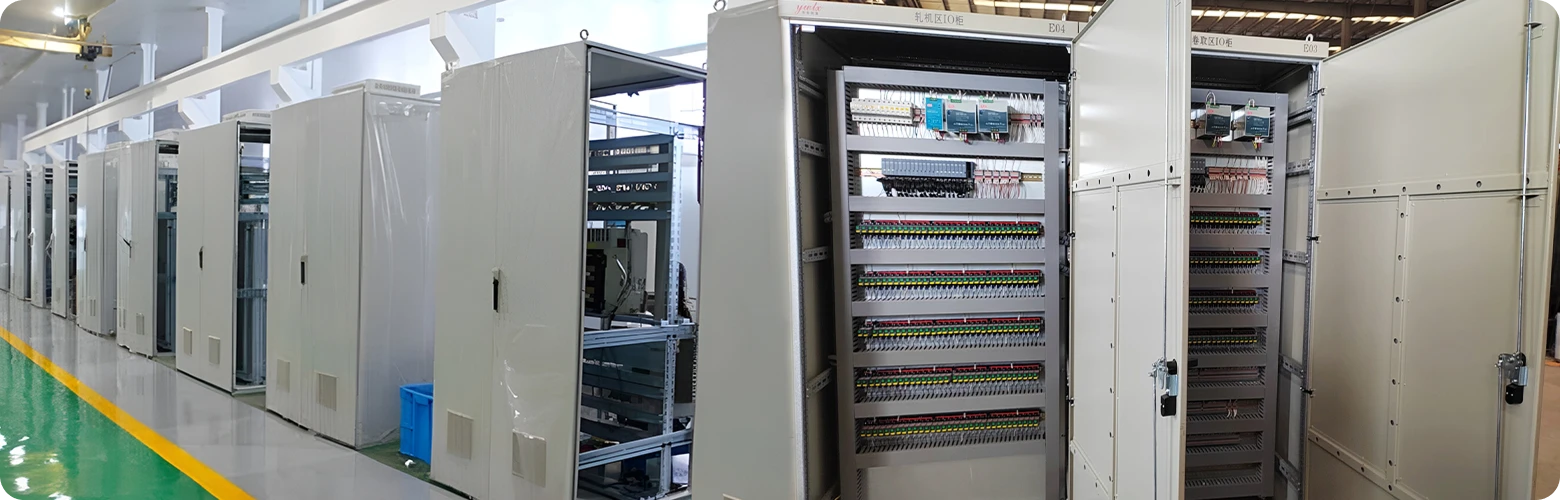
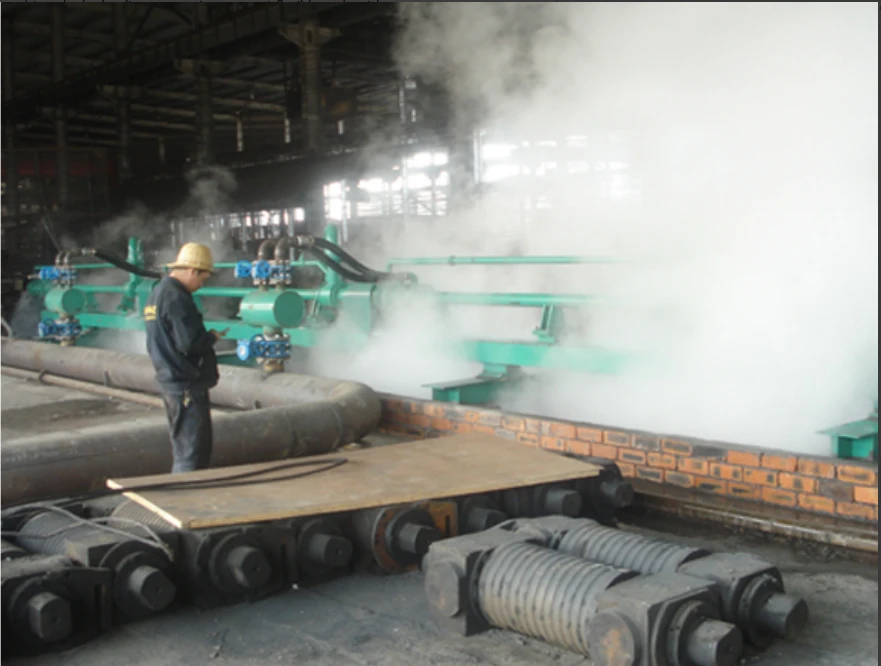
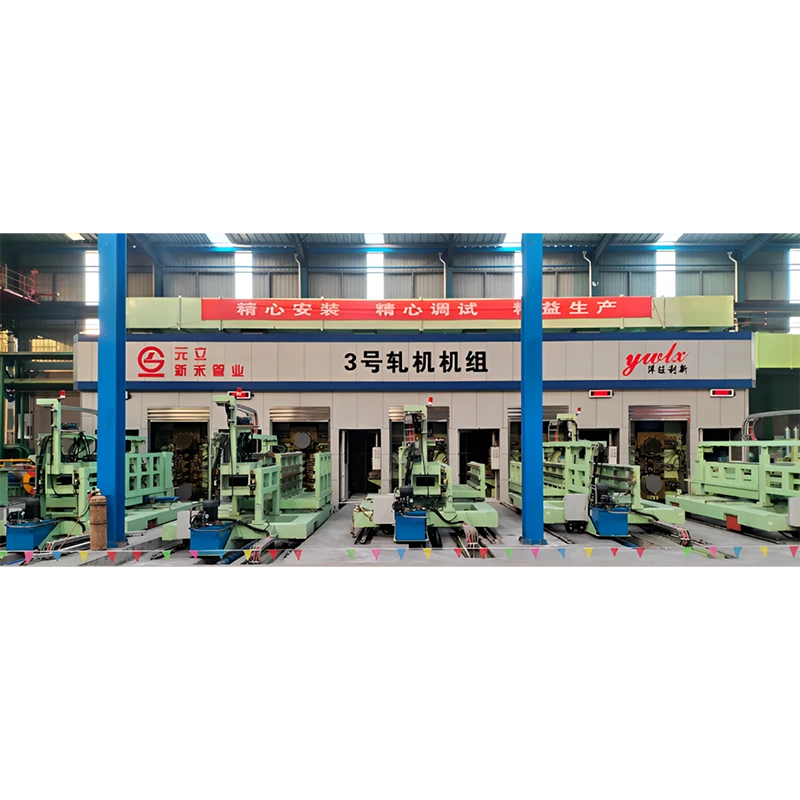
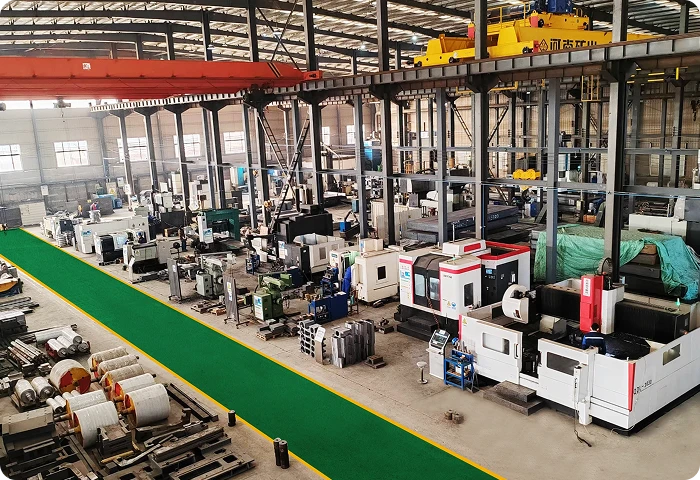
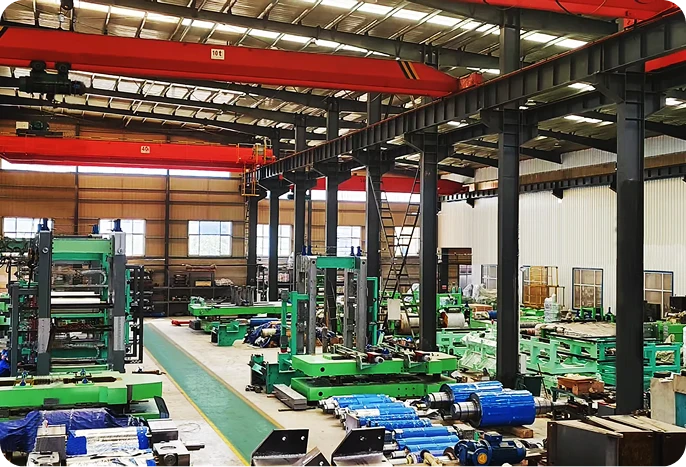
Yang Wang Li Xin operates a state-of-the-art facility over 66,000 square meters,and our manufacturing facility is fully equipped with high-tech machinery and high-capacity cranes. This enables us to handle large work pieces measuring 4.5m in width, 10m in length, and 1.5m in height, guaranteeing our capacity to produce 1800mm skin-pass mills and 1450mm rolling mills. The individual piece can weigh up to 100 tons.


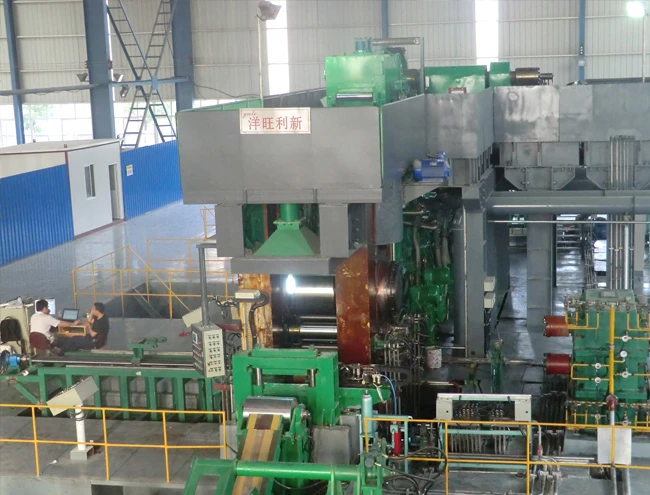
Quality is fundamental to the enterprise survival. We have established a comprehensive and meticulous quality management system and have successfully obtained ISO14000 certification. Starting from the design source, it supervises the entire production cycle, including design, procurement, processing, assembly, in-factory testing, installation, and online commissioning. The workshop is equipped with measuring tools like vernier calipers, spectrometers, hardness testers, and ultrasonic flaw detectors. They are used to check materials and control tolerances to ensure the final equipment meets or exceeds requirements. All products have a unique code, This enables the easy identification and traceability of the equipment components and ensures full control of quality.


-
 Efficient Water Cooling System for Water Tank | Precise Temp ControlThe Critical Role of Industrial Water Cooling Systems In the realm of industrial operations, maintaining optimal process temperatures is paramount for efficiency, safety, and equipment longevity. A robust water cooling system for water tank applications is not merely an auxiliary component but a foundational element ensuring operational stability across diverse sectors. These systems are engineere
 -
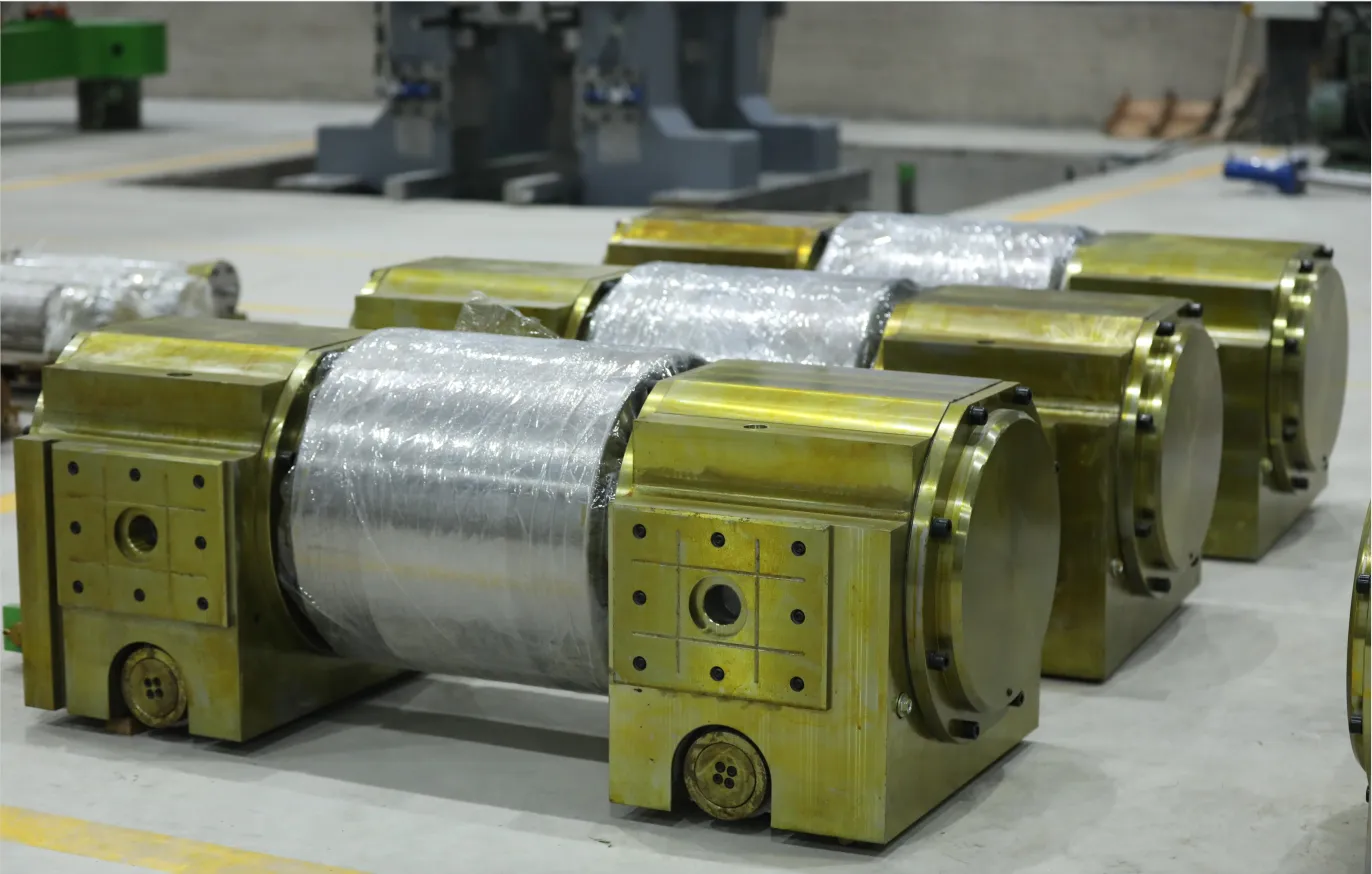 laminatoio a 2 pianiTwo-roll laminators have revolutionized the manufacturing industry by offering unparalleled precision and efficiency in material processing. Commonly utilized in sectors such as metalworking, plastics, and textiles, these machines are integral in transforming raw materials into high-quality finished products. An exemplary feature of two-roll laminators is their capability to produce consistent thi
 -
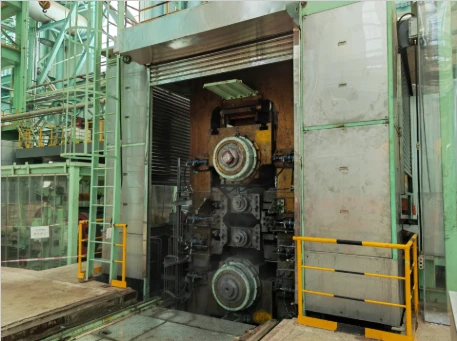 Suppliers of Cold Rolled Steel Products and Their Market InfluenceCold Rolling Suppliers A Comprehensive Guide Cold rolling is a crucial process in the metalworking industry, where metal sheets and strips are transformed into thinner gauges with enhanced properties. This technique not only improves the metal's mechanical characteristics but also provides a superior surface finish. For manufacturers in need of cold-rolled products, understanding the landscape of


